_Markets
/ Lao People's Democratic Republic
Overview
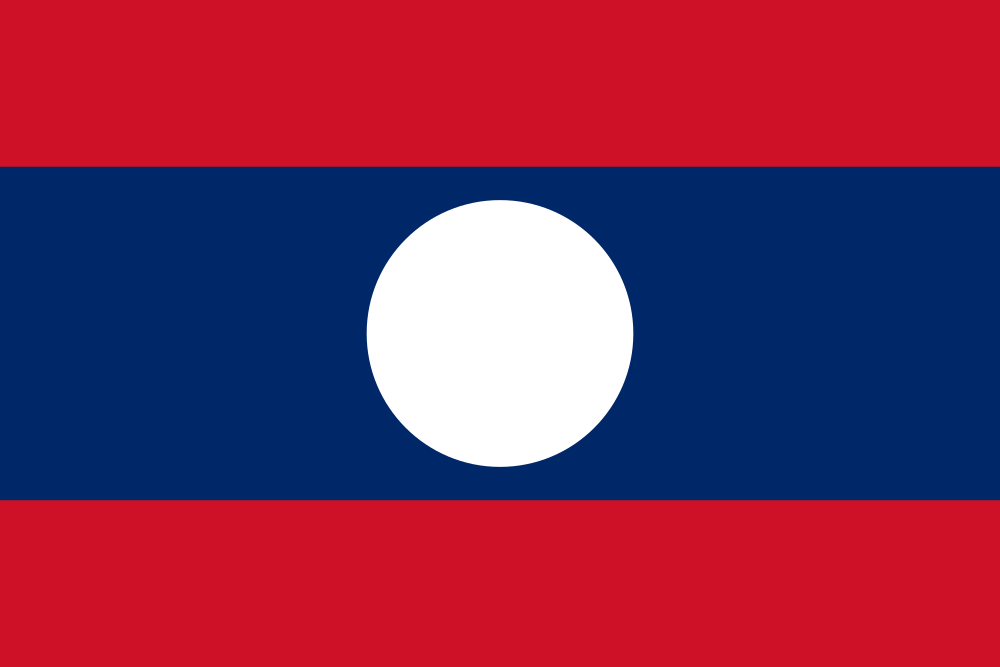
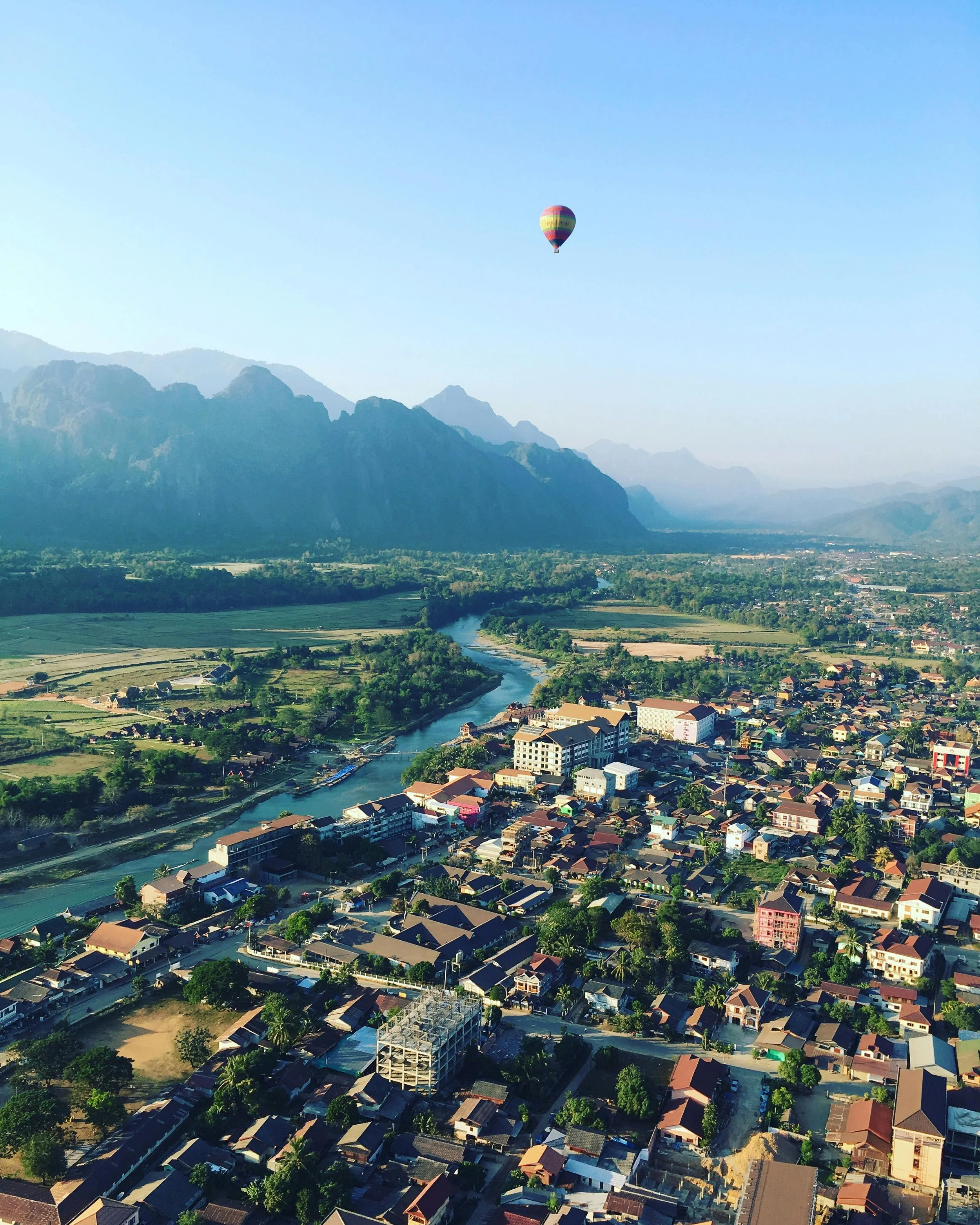
Laos is a landlocked country located in the heart of the Indochinese Peninsula in Southeast Asia. It is bordered by China and Myanmar to the northwest, Vietnam to the east, Cambodia to the south, and Thailand to the west. Laos covers an area of approximately 236,800 square kilometers and has an estimated population of 7.85 million as of February 2026. The country is a socialist republic led by a single-party system, administratively divided into 17 provinces and the prefecture of the capital, Vientiane.
In 2025, the GDP reached approximately US$15.2 billion, and the per capita GDP was approximately US$1,960. Laos's economy is increasingly shaped by the industrial sector, which accounts for approximately 34% of GDP, driven by mining and hydroelectric power generation. The country aims to become the "Battery of Southeast Asia" by leveraging its extensive river network for power exports to neighboring Thailand, Vietnam, and Cambodia. The service sector accounts for approximately 39% of GDP, supported by growth in logistics and wholesale trade following the integration of the Laos-China Railway. The agricultural sector remains a vital component, contributing approximately 21% of GDP and employing over 60% of the labor force. Top trading partners include Thailand, China, and Vietnam. Laos is a major regional exporter of electricity, copper, gold, and agricultural products such as cassava and coffee. Imports of refined petroleum, land vehicles, and iron and steel are among the highest in the country, with top import partners being Thailand and China.
Laos has a history rooted in the kingdom of Lan Xang ("Million Elephants"), which was one of the largest kingdoms in Southeast Asia from the 14th to the 18th centuries. The nation became a French protectorate in 1893 and achieved full independence in 1953 as a constitutional monarchy. Following a protracted civil war and heavy involvement in the Indochina conflict, the Lao People's Revolutionary Party took power in 1975, establishing the current republic. Since the late 1980s, the country has pursued "New Economic Mechanism" reforms to transition toward a market-oriented economy. Today, Laos maintains a strategic role in the ASEAN community and focuses on transitioning from a "landlocked" to a "land-linked" nation through massive regional infrastructure projects.